The Art of Driving: Navigating the Road with Skill and Awareness
Driving is an activity that many of us take for granted, often approaching it with a sense of routine rather than reflection. For some, it is simply a means of getting from point A to point B, a necessary task in an increasingly fast-paced world. However, driving is far more than just a function—it is an intricate dance of coordination, decision-making, and mindfulness. The experience of driving involves an ongoing interaction with the vehicle, the environment, and the rules of the road, making it both a skill and an art.
Driving is as much about awareness and judgment as it is about mechanical knowledge and reflexes. The way we drive influences not only our safety but also the safety of those around us, from fellow drivers to pedestrians and cyclists. In this article, we explore the multifaceted nature of driving: the skills it requires, the responsibilities it entails, and the personal experiences it can offer.
The Mechanics of Driving: A Symphony of Coordination
At its most basic level, driving requires a thorough understanding of how the vehicle operates. Every car, truck, or motorcycle is an intricate machine, relying on a series of mechanical components to function effectively. While modern vehicles have become incredibly sophisticated with features like automatic transmissions, power steering, and advanced safety systems, the fundamentals of driving remain largely unchanged.
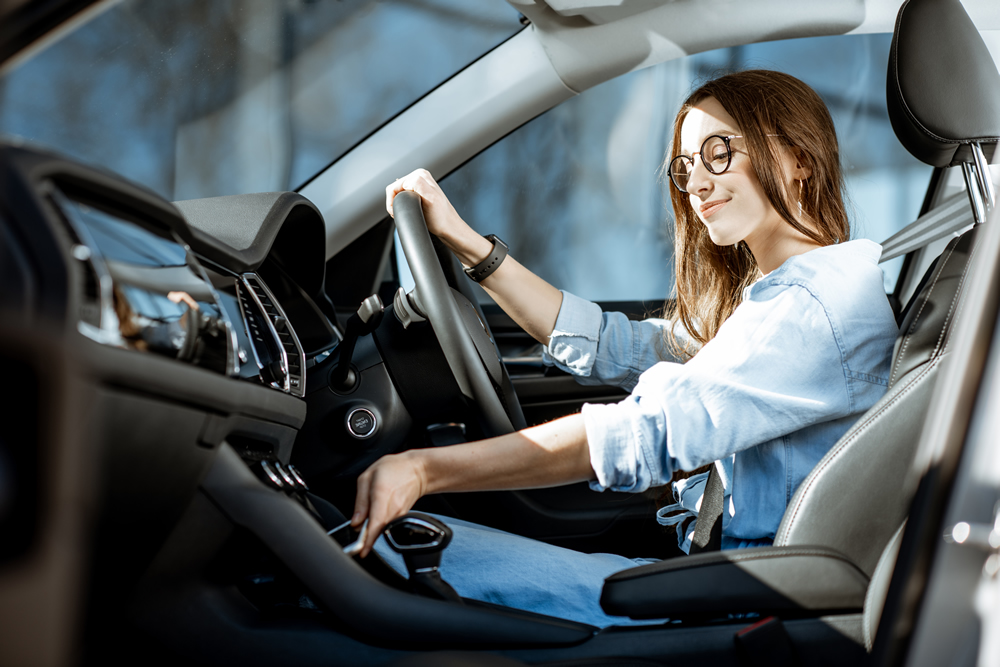
To begin, the driver must be able to operate the vehicle’s essential functions—accelerating, braking, turning, and shifting gears (if driving a manual transmission). These actions may seem second nature to experienced drivers, but they require the coordination of multiple bodily movements. The right foot controls the accelerator and brake, while the left foot (in manual cars) engages the clutch. The hands, of course, steer the wheel to guide the vehicle through turns and corners. In essence, driving is a continuous interplay of attention, reflexes, and control.
As vehicles evolve, so too do the technological systems that assist the driver. Features like cruise control, lane-departure warnings, adaptive headlights, and parking sensors are now commonplace in many modern cars, further enhancing the driving experience. However, while these technologies serve to reduce the cognitive load on the driver, they also highlight the importance of maintaining a balanced relationship between man and machine. Technology, while helpful, can never replace the need for vigilance and active engagement behind the wheel.
The Skills Required for Safe and Confident Driving
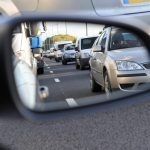
Driving demands a combination of both technical proficiency and situational awareness. Skillful drivers know how to respond appropriately to various road conditions, weather factors, and potential hazards. One of the key skills of an experienced driver is the ability to anticipate—to foresee potential problems before they arise. This involves scanning the road ahead, using mirrors, and being aware of other drivers’ behaviors.
Good judgment is essential, particularly when navigating tricky situations. Whether you are merging onto a highway, crossing an intersection, or maneuvering through congested traffic, the ability to make split-second decisions with confidence is crucial. This requires not just technical skills but also emotional intelligence. A driver must stay calm under pressure, avoiding rash reactions that can lead to accidents.
In addition to judgment, another hallmark of skilled driving is defensive driving. Defensive driving involves anticipating the actions of others and preparing for the unexpected. For instance, if a driver cuts you off or runs a red light, defensive drivers remain composed and adjust their behavior to avoid collisions. This proactive approach is essential for reducing the risks of accidents, particularly in situations where other drivers may be reckless or distracted.
Being aware of road signs and traffic signals is also a critical aspect of driving. These symbols serve as the road’s language, guiding drivers on what to expect ahead. A good driver knows how to interpret these cues and adjust their speed and actions accordingly. Moreover, a keen understanding of speed limits, pedestrian zones, and no-parking areas not only ensures compliance with the law but also fosters a harmonious driving environment.
The Psychological Aspect: The Emotional Landscape of Driving
Driving is not just about physical coordination or technical skill; it also involves a significant psychological component. Behind the wheel, a person’s mood and state of mind can greatly influence their driving style. For instance, a calm, focused driver is far more likely to make measured decisions, whereas an angry or distracted driver is prone to making impulsive, potentially dangerous choices.
Road rage is a significant issue in many parts of the world, and it underscores the emotional challenges that driving can pose. When behind the wheel, frustration can mount quickly—whether from traffic jams, slow drivers, or the stress of a long commute. A person’s temper can flare, leading to erratic or aggressive driving behaviors, such as tailgating, speeding, or engaging in dangerous maneuvers. The psychological toll of driving, especially in urban settings, can also contribute to driver fatigue, which impairs concentration and reaction times.
The importance of mindfulness while driving cannot be overstated. Being fully present in the moment—attentive to your surroundings, calm in the face of adversity, and focused on the task at hand—can make the difference between a safe journey and a hazardous one. Practicing mindfulness can also help mitigate stress and enhance the overall driving experience, turning what could be an aggravating chore into a more enjoyable part of daily life.
The Social and Ethical Dimensions of Driving
Driving is inherently social. It is an activity that takes place in public spaces, with interactions between drivers, pedestrians, cyclists, and other road users. As such, it carries a social responsibility. A single mistake behind the wheel can have far-reaching consequences—not only for the driver but for the people they encounter on the road.
At its core, driving is about respecting others and sharing the road. This means yielding to pedestrians, respecting cyclists, and maintaining a safe following distance. Courtesy on the road is a sign of maturity and responsible behavior, whether it’s letting another driver merge, giving way to pedestrians at a crosswalk, or waiting for the traffic light to change before proceeding.
Driving is also an ethical activity in the sense that it can have a profound impact on the environment. The choice of vehicle, driving style, and fuel efficiency all contribute to the carbon footprint. In today’s world, where environmental consciousness is rising, many drivers are turning to eco-friendly practices—carpooling, driving energy-efficient vehicles, and minimizing unnecessary idling. These small decisions collectively help reduce the environmental impact of transportation and contribute to a sustainable future.
The Evolving Landscape of Driving
As we look toward the future, the landscape of driving is undergoing a significant transformation. The advent of autonomous vehicles (self-driving cars) and electric vehicles (EVs) is set to revolutionize how we perceive and interact with the road. Autonomous vehicles promise to take the human element out of the driving equation, potentially reducing accidents caused by human error. However, this technological shift raises important questions about ethics, safety, and the role of human drivers in the future.
Meanwhile, electric vehicles are becoming more mainstream, offering an environmentally friendly alternative to traditional gas-powered cars. With growing concerns over climate change, electric cars are gaining popularity as a cleaner, more sustainable choice. However, the transition to EVs requires significant infrastructure changes and adjustments from both manufacturers and consumers.
Conclusion
Driving is an essential skill that transcends mere transportation. It is an act that combines physical coordination, mental focus, and a deep understanding of road etiquette. The road is a shared space where patience, courtesy, and awareness can lead to a safer and more enjoyable driving experience. As technology continues to reshape the way we drive, it is crucial that we maintain a balance between innovation and responsibility. Whether we are navigating through traffic or cruising down an open highway, driving will always remain a fundamental part of modern life—one that challenges us to stay vigilant, mindful, and respectful of others.