
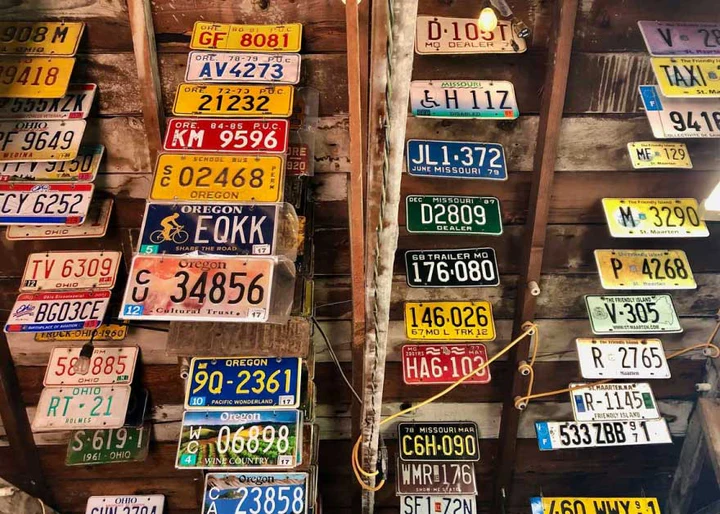
A Practical Guide to California License Plates for Sale for Collectors and Decor
California plates carry an immediate sense of place, but that recognition is only a starting point. The state can suggest coast roads, older cars, sun, travel, film imagery, and western road history, yet a collector still has to decide which of those associations the plate is supposed to support.
Look at Era Before Color Alone
A California plate can feel different depending on period, format, and surface condition. A newer reflective plate, an older embossed example, a clean display piece, and a sun-aged plate may all carry the state name, but they do not carry the same mood. The right choice depends on the collection or room around it.
ShopLicensePlates, an antique license plate dealer and specialist source for collectible plates, emphasizes that California identity should be tested by use, not assumed from the state name alone. A collector may want a clean state label, a period look, western road character, or a plate that can sit comfortably beside signs, tools, maps, or automotive pieces. When the goal is that specific, the final comparison among California license plates for sale should rest on condition, era, color, and display role. The stronger piece is the one that makes the collection more specific: coastal, western, automotive, travel-focused, weathered, or period-aware.
Separate State Recognition From Collector Fit
California recognition is strong, but recognition is not the same as fit. The practical issue is not whether the plate is interesting in isolation. In California-focused collecting and decor, many buyers respond to the state before they review condition or role, and interest has to become placement, comparison, or long-term meaning before it becomes a strong purchase.
Ask what the California identity will do in the collection. Think about state appeal, era, display setting, and whether the plate deepens the existing group as connected evidence. When a plate adds California character with a clear purpose, it gives the collector a reason to keep looking at it after the first reaction. When it relies only on the familiar state name, the collection often has to work too hard to justify it.
A familiar state should not excuse a weak condition or display match. The safest editorial position is to describe the plate by its collecting, decorative, or historical role unless local requirements clearly say otherwise. The plate becomes a choice, not just a label.
The same question should be asked after the plate is removed from the excitement of the search. Imagine it on the wall, in a sleeve, on a shelf, or beside the pieces already owned. If state appeal, era, display setting, and whether the plate deepens the existing group still make sense in that imagined setting, the plate has a practical path forward.
Good collections are rarely built from perfect objects only. They are built from objects that know their role. A plate can be worn, modest, common, or visually quiet and still be exactly right when it adds California character with a clear purpose. The plate becomes a choice, not just a label. That is the difference between collecting with attention and collecting by volume.
Read Surface Wear as Climate and Use
Surface wear can give a California plate useful atmosphere. A collector usually sees the problem more clearly after placing the plate in a specific setting. For California-focused collecting and decor, sun-softened paint and road wear may support a western or garage display; the plate has to relate to the wall, shelf, storage plan, or project instead of floating as a separate curiosity.
Judge wear by how it supports the intended setting. The choice should account for fading, bolt marks, scratches, readable characters, and the balance between age and damage. If a plate feels naturally aged and still readable, it can support the collection without demanding constant explanation. If it looks tired without adding meaning, the buyer may be responding to novelty rather than fit.
Do not treat every worn surface as desirable. That does not remove the pleasure of collecting. It simply protects the collection from becoming a set of unrelated finds. Condition becomes part of the state story.
A second useful test is whether the decision can survive editing. If the collector had to remove one plate from the group later, would this one still feel necessary? The answer usually depends on fading, bolt marks, scratches, readable characters, and the balance between age and damage, because those details show whether the plate is carrying a role or merely filling space.
When the role is clear, the collector can enjoy the search without being ruled by it. A plate that feels naturally aged and still readable gives the buyer a calm reason to proceed. A plate that looks tired without adding meaning may still be interesting, but interest alone does not have to become ownership. Condition becomes part of the state story.
Match the Plate to the Room’s California Idea
California decor can mean several different things. Good collecting often comes from looking twice. In California-focused collecting and decor, the room may lean coastal, automotive, desert, travel, or workshop, and the second look is where condition, format, age, and intended use start to matter more than a quick reaction.
Define the room’s California idea before choosing the plate. A careful collector compares color, slogan, period, mounting style, and nearby objects before deciding. The plate that supports the room’s specific version of California usually has a stronger future than the one that brings the state name but not the mood, even if the second plate feels more exciting at first.
A generic state reference can make the display feel thin. Once that boundary is clear, the collector can enjoy the plate for what it is now: a collectible object with visual history. The decor feels more intentional.
The review should also account for the future size of the collection. A choice that feels harmless today can become a pattern if repeated too often. Looking at color, slogan, period, mounting style, and nearby objects keeps the collector from building a wall or storage box that has energy but no readable direction.
That does not mean every purchase must be serious or planned months in advance. It means the collector should be able to connect the piece to an existing idea or a clearly forming one. When that connection is present, the decor feels more intentional. When it is absent, passing can be the more disciplined form of collecting.
Use Era to Add Depth
Era gives California collecting more than place identity. In California-focused collecting and decor, different plate periods suggest different design and road-history moments. That does not mean every plate has to be perfect or rare. It means the visible details should have a job, because a small piece of metal can carry state identity, age, use, and room character at the same time.
Let period narrow the choice after state identity has done its work. The collector is really weighing older embossed looks, later reflective styles, color changes, and date cues, so a plate that connects the state to a period the collector cares about can be more useful than one that does not match the timeline around it. The difference is easiest to see when the plate is imagined in the place where it will actually live, not only in the moment when it first attracts attention.
YOM or classic car interest requires careful local research before use is assumed. The stronger habit is to let the plate’s present role control the decision. The plate can speak to time as well as place. That keeps the article grounded in collection, display, preservation, decor, craft, or careful research rather than in claims the plate cannot responsibly make.
That check should happen before the collector makes room for the plate. Look again at older embossed looks, later reflective styles, color changes, and date cues and ask whether those details would still matter after the plate has been owned for a few months. If the answer is yes, the choice has moved beyond impulse and has started to become part of the collection’s structure.
It also helps to compare the plate against a piece already in the collection. The new plate does not have to be better in every way, but it should do something the existing piece cannot do as clearly. The plate can speak to time as well as place. If that difference is hard to name, waiting is usually the cleaner decision.
Avoid Overloading a State Wall
A California-focused wall can become too busy if every piece tries to be iconic. The useful comparison is between spacing, color balance, text legibility, and the number of nearby objects. In California-focused collecting and decor, strong state associations need visual restraint, and that comparison can change which plate deserves attention. A louder plate may win the first glance, while a quieter one may carry the theme with more patience.
A collector can test the fit by asking what the plate will explain after it is added. If it grounds the display without overwhelming it, it strengthens the group in a way that remains visible later. If it competes with every other symbol in the room, it may be only a temporary attraction that does not earn its space.
Give the strongest plate enough room to work. Too many references can make the state story less clear. That restraint keeps the collection readable and prevents one interesting object from pulling the whole display away from its purpose.
The best decisions also leave a record of why the plate was chosen. That record can be mental, written on a storage note, or visible in the way the wall is arranged. What matters is that spacing, color balance, text legibility, and the number of nearby objects remain connected to a specific purpose instead of fading into a general feeling that the plate looked good.
Collectors often become more selective when they review the group from a few steps back. Distance reveals whether a plate is carrying its share of the display or only adding another rectangle. The display keeps its focus. That wider view is especially useful when several attractive options seem equally tempting.
Choose the Plate That Adds a Specific Story
The final California choice should add a specific story. This is where a collection becomes more than accumulation. For California-focused collecting and decor, a state name is broad, while a collection needs a sharper reason, so the plate should be judged by how it behaves beside other pieces. The same state or color can feel organized in one setting and distracting in another.
Keep the plate that makes the state identity more precise. A good review looks at coastal memory, vehicle era, western travel, color, and condition together instead of treating one detail as the whole decision. A plate that makes the California part of the collection easier to understand has a clearer job, while a plate that could be replaced by almost any other state example may create more explanation than value.
The plate’s current role should remain collectible or decorative unless local rules say otherwise. Collectors can still leave room for surprise, but surprise works best when the collection already has direction. The collection gains a clearer California chapter.
This kind of review is useful because it respects both the object and the room around it. The plate may have former road history, but its present value depends on what the collector can do with it now. If coastal memory, vehicle era, western travel, color, and condition do not connect to that present role, the plate may need more context before it earns a place.
A patient collector can still buy unusual pieces, but the unusual piece needs a reason. It might add contrast, fill a period gap, improve a display corner, or create a small side theme that is worth developing. The collection gains a clearer California chapter. Without that reason, unusual can become another form of clutter.