
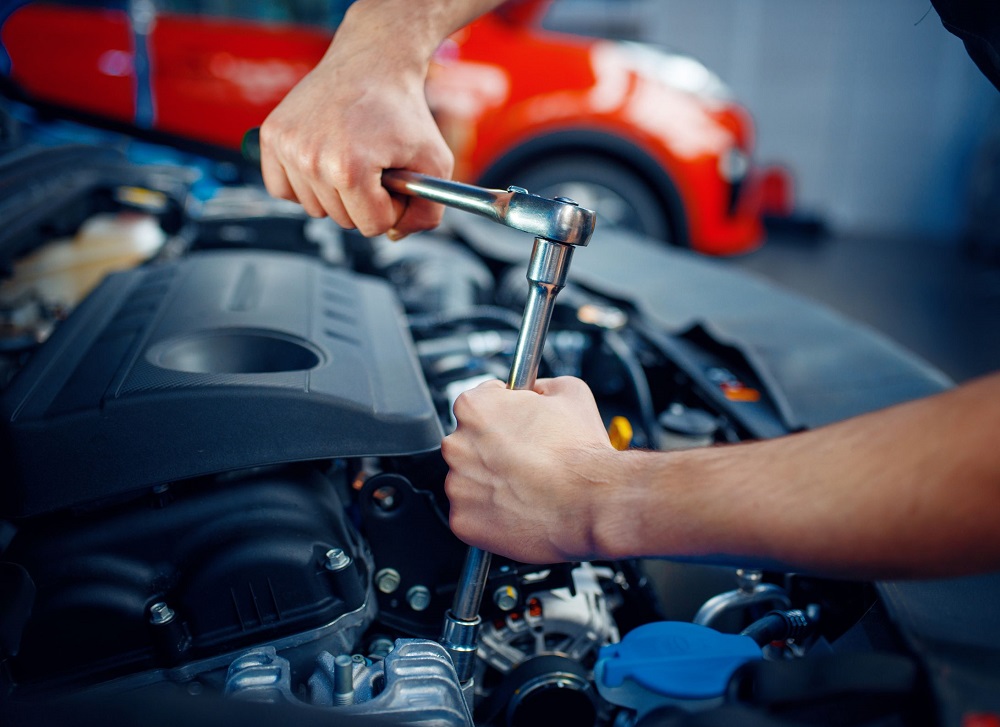
DIY Auto Repair: What You Can Fix and What to Leave to the Experts
Owning a car is a significant financial investment, and the costs of regular maintenance can add up quickly. When a warning light flashes or a strange noise develops under the hood, the immediate instinct for many vehicle owners is to save money by handling the repair themselves. The rise of online video tutorials and automotive forums has made do-it-yourself car repair more accessible than ever before. However, the line between a successful home repair and a costly mechanical disaster is thin.
Modern vehicles are no longer purely mechanical machines. They are highly complex computers on wheels, filled with intricate electrical networks, sensitive sensors, and high-pressure systems. Understanding your limits as a garage mechanic is essential for preserving the longevity of your vehicle, protecting your wallet, and ensuring your personal safety on the road.
The Benefits and Limits of Home Maintenance
Taking care of your own vehicle offers clear advantages. Beyond the obvious financial savings on mechanic labor rates, routine maintenance helps you understand the mechanical health of your car. You become more attuned to how the vehicle operates, allowing you to catch minor anomalies before they escalate into severe malfunctions.
Despite these benefits, clear limitations exist. Professional auto repair shops invest tens of thousands of dollars in specialized diagnostic equipment, heavy-duty hydraulic lifts, and continuous technician training. A home mechanic working with a basic socket set on a driveway simply cannot replicate that environment. Attempting a repair without the proper infrastructure can result in damaged components, a voided vehicle warranty, or severe physical injury. Knowing which tasks match your current skill level is the first step toward smart vehicle ownership.
Safe and Simple DIY Projects for Beginners
If you are new to working on cars, it is best to start with low-risk tasks that require minimal tools. These jobs offer a high return on investment by saving you shop fees while carrying a very low probability of damaging your engine.
Replacing Windshield Wiper Blades
Wiper blades are made of rubber that degrades over time due to exposure to sunlight, rain, and temperature fluctuations. If your wipers leave streaks or squeak across the glass, they need replacement. Most modern wiper blades utilize a simple hook or pin mechanism that allows you to click the old blade out and slide the new one into place within minutes. No tools are required for this task.
Swapping Out Air Filters
Your vehicle uses two primary air filters: the engine air filter and the cabin air filter. The engine filter prevents dirt and debris from entering the combustion chamber, while the cabin filter cleans the air entering the heating and air conditioning vents. Both filters are generally housed in easily accessible plastic boxes that secured by simple metal clips or plastic screws. Replacing them once a year improves engine efficiency and keeps the interior air fresh.
Changing Light Bulbs
Replacing a burned-out headlight, taillight, or turn signal bulb is usually a straightforward process. On most vehicles, you can access the back of the light assembly from inside the engine bay or trunk. You simply twist the bulb socket counterclockwise, pull it out, unplug the old bulb, and insert the new one. It is crucial to avoid touching the glass of a new halogen bulb with your bare hands, as the oils from your skin can cause the bulb to overheat and fail prematurely.
Intermediate Repairs Requiring Proper Tools
Once you possess basic mechanical confidence, you can move on to repairs that involve jacking up the car or working closely with engine fluids. These tasks require a greater investment in tools, such as jack stands, torque wrenches, and oil catch pans.
Oil and Filter Changes
Changing your engine oil is the quintessential automotive maintenance task. It involves draining the old, degraded oil from the oil pan underneath the car, replacing the oil filter, and pouring fresh oil into the engine filler neck. While the process is mechanically simple, it demands strict adherence to safety protocols. You must never crawl under a car supported only by a hydraulic jack; always use heavy-duty jack stands and wheel chocks to secure the vehicle.
Replacing Spark Plugs
Spark plugs provide the electrical spark that ignites the fuel-air mixture inside your engine cylinders. Over time, the electrodes wear down, leading to engine misfires, poor fuel economy, and rough idling. Replacing spark plugs involves removing the ignition coils, unscrewing the old plugs with a specialized spark plug socket, gapping the new plugs correctly, and installing them to the proper torque specification. This job requires patience to ensure you do not cross-thread the delicate aluminum threads in the engine cylinder head.
Changing Brake Pads
Brake maintenance is vital for safety, but replacing worn brake pads is a task an intermediate DIYer can manage with care. The process requires removing the wheel, unbolting the brake caliper, compressing the caliper piston, and sliding out the old pads to insert the new ones.
You must carefully inspect the brake rotors for scoring or warping at the same time. If you feel any uncertainty about your ability to properly assemble the braking system, leave this job to a professional.
Advanced Jobs That Demand Professional Expertise
Certain vehicle systems are simply too complex, dangerous, or sensitive for home garages. Attempting these repairs without commercial-grade equipment and specialized training can permanently ruin your vehicle or cause catastrophic accidents.
Automatic Transmission Service
While changing manual transmission fluid can be straightforward, servicing a modern automatic transmission is incredibly complex. These units rely on precise hydraulic pressures, intricate valve bodies, and sophisticated electronic controls. Many modern cars feature sealed transmissions that do not even have a traditional dipstick, requiring specific computer software to read fluid temperatures before adding fluid. Mismanaging a transmission service can quickly lead to a multi-thousand-dollar replacement bill.
Timing Belt or Timing Chain Replacement
The timing belt or chain synchronizes the rotation of the crankshaft and the camshaft so that the engine valves open and close at the correct times. Many modern engines use an interference design, meaning that if the timing is off by even a fraction of an inch, the pistons will strike the valves, completely destroying the engine. Replacing a timing belt requires dismantling the front of the engine, absolute precision in aligning timing marks, and specialized locking tools. The margin for error is zero.
Air Conditioning System Diagnostics and Repair
Automotive air conditioning systems operate under high pressure and utilize specialized chemical refrigerants. Federal regulations strictly prohibit venting these refrigerants into the atmosphere, requiring professional recovery machines to safely evacuate the system. Furthermore, locating a leak or replacing a compressor requires specialized manifold gauges and vacuum pumps to remove moisture from the lines before recharging.
The Hazards of Modern Vehicle Electronics
The days of diagnosing a vehicle problem purely by ear are long gone. Modern automobiles contain dozens of individual computers, known as Electronic Control Units, that communicate over a complex network called a Controller Area Network bus.
When an electrical problem occurs, a standard code reader from an auto parts store will only provide a generic trouble code. Interpreting that code requires advanced electrical schematics, digital oscilloscopes, and factory-level diagnostic software. Attempting to splice wires or probe circuits without knowing the exact voltage specifications can inadvertently fry an expensive control module, leaving the vehicle completely undrivable.
Final Guidelines for the Home Mechanic
Before you turn a single wrench on your vehicle, evaluate the scope of the project using a simple risk-versus-reward framework. Ask yourself the following questions:
-
Do I have the exact tools and safety gear required for this specific job?
-
Do I have an alternative method of transportation if my car is stuck apart in the garage for a few days?
-
What is the financial cost if I make a mistake during this repair?
If the job carries a high risk of damaging core engine components, or if it involves a critical safety system like the steering or airbags, the smartest move is to schedule an appointment with a certified professional mechanic. Protecting your investment and your personal safety is always worth the cost of professional labor.
Frequently Asked Questions
What should I do if a bolt breaks off while I am working on my car?
If a bolt shears off inside a component, stop working immediately to avoid damaging the surrounding threads. You can attempt to use a specialized bolt extractor tool after applying penetrating oil and heat to the area. However, if the broken bolt is located in a critical area like the engine block or a cylinder head, it is best to tow the vehicle to a professional machine shop or repair garage to have it extracted safely.
Can I clear a check engine light myself to pass a state vehicle inspection?
While a basic OBD2 scanner can erase trouble codes and turn off the check engine light temporarily, it will not allow you to pass an inspection. Erasing the codes resets the internal monitors of the car to an unready state. The inspection computer will immediately detect that the monitors have not completed their testing cycles, resulting in an automatic failure until the vehicle is driven through a specific drive cycle and the underlying issue is resolved.
Is it safe to change a car battery without taking any special precautions?
Replacing a car battery requires specific precautions to prevent electrical shorts and chemical burns. You must always disconnect the negative terminal first to interrupt the electrical circuit, which prevents dangerous sparks if your wrench touches the metal frame of the car while loosening the positive terminal. Additionally, wear safety glasses to protect your eyes from battery acid and corrosive buildup on the terminals.
How can I tell if a strange automotive noise requires an immediate mechanic visit?
Any noise that directly affects the handling, braking, or structural control of the vehicle requires immediate professional inspection. This includes loud grinding sounds when applying the brakes, severe clunking noises over bumps, or a sudden roaring sound that increases with vehicle speed. If the engine makes loud metallic tapping or knocking sounds that correlate with engine speed, turn off the vehicle immediately to prevent severe internal mechanical failure.
Why do mechanics charge so much for diagnostic time before starting a repair?
Diagnostic fees cover the specialized training, expensive software licenses, and time required for a technician to accurately pinpoint the root cause of a failure. A simple trouble code only points to a general system, not the specific broken part. Proper diagnosis involves checking wiring harnesses, testing voltage signals, and performing physical pressure tests to ensure the mechanic replaces the correct component the first time.
Can I perform my own maintenance on a hybrid or electric vehicle?
You can safely perform basic, non-electrical maintenance on hybrid and electric vehicles, such as changing wiper blades, cabin air filters, and tires. However, you must completely avoid the high-voltage electrical system, which is clearly identified by bright orange cables and casings. These systems carry enough electrical current to cause fatal shocks, and any service involving the battery pack, inverter, or electric motors must be performed exclusively by certified technicians.