
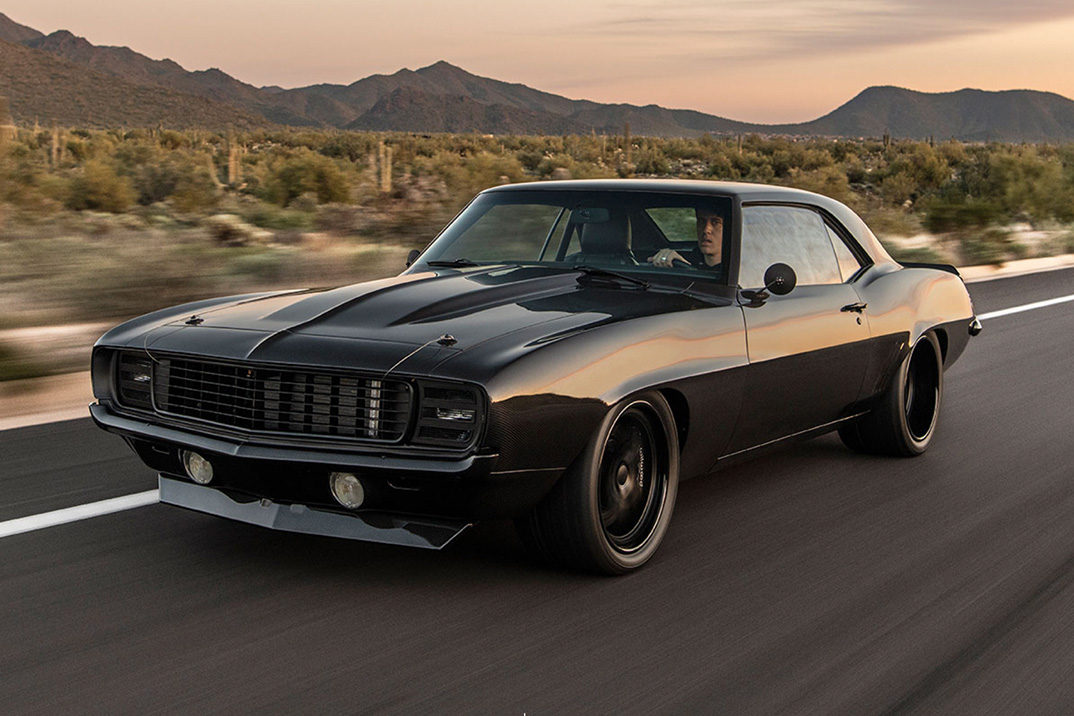
How to Choose the Best Online Marketplace to Buy or Sell a Classic or Restomod Car
Choosing an online marketplace for a classic or restomod car is not the same as choosing a site for an ordinary daily driver. These vehicles often have unique drivetrains, custom fabrication, restoration history, upgraded suspension or brakes, and provenance that can dramatically affect value. For buyers, the wrong marketplace can mean sorting through weak listings, limited documentation, and sellers who cannot clearly explain what was actually done to the car. For sellers, it can mean attracting the wrong audience and failing to present the build in a way that justifies its price.
That is why the buying decision matters early. A strong marketplace should do more than host listings. It should help buyers evaluate condition and build quality from a distance, while giving sellers a better path to serious enthusiast demand. Whether the goal is to buy a finished restomod, source a project, or sell a modified classic to knowledgeable bidders, the platform itself plays a major role in the outcome.
The Core Buyer Problem: General Marketplaces Often Miss What Makes These Cars Valuable
Classic and restomod shoppers typically run into the same friction points. Broad auction sites may combine collector-grade inventory with inconsistent private-party listings. Photo quality varies, build sheets are often incomplete, and key questions about engine internals, chassis work, rust repair, wiring, or paint age can go unanswered. A car may look excellent in thumbnails but reveal missing details once the bidding starts.
Sellers face a parallel problem. A modified classic can be undervalued when the platform does not understand the significance of the upgrades, craftsmanship, receipts, or brand-name components involved. If the listing format is too generic, the seller may struggle to explain why the car deserves enthusiast-level attention.
The best marketplace helps close that gap with curation, better presentation, transparent bidding, and support that reflects how collector and restomod buyers actually shop.
Evaluation Criterion #1: Specialization
Specialization should be one of the first filters. A marketplace built for classic and restomod vehicles is more likely to attract the right bidders, speak the right language, and showcase the details that matter. That includes factory originality where relevant, but also modifications, drivability upgrades, fabrication quality, and documentation for custom work.
Look for signs that the inventory is curated rather than flooded with every type of used vehicle. A focused marketplace usually offers:
- Classic and muscle-car heavy inventory
- Dedicated room for restomods and modified builds
- Listings that highlight components, upgrades, and build history
- An audience that understands collector and enthusiast values
Specialization benefits both sides. Buyers spend less time filtering out irrelevant listings, and sellers reach people who already understand what makes a well-built car desirable.
Evaluation Criterion #2: Experience and Market Credibility
Experience matters because classic and restomod transactions depend on trust. A platform with a track record in the enthusiast space is generally better positioned to attract serious traffic, maintain listing quality, and understand what details should be verified before bidding begins.
When comparing providers, ask:
- How long has the platform served the collector or restomod audience?
- Does it have an established enthusiast community?
- Does it demonstrate familiarity with modified classics, not just stock collector cars?
- Are listings presented with enough context to support informed bidding?
An experienced operator typically understands that a restomod buyer wants more than glamour shots. They want cold-start behavior, underside views, VIN details, receipts, parts lists, and evidence that the seller can answer technical questions.
Evaluation Criterion #3: Pricing and Fee Transparency
Pricing should be easy to understand before a bid is placed or a listing goes live. Buyers should calculate the total acquisition cost, not just the hammer price. Sellers should understand all launch costs and any extras tied to listing upgrades or post-sale support.
Fee transparency should include:
- Buyer premium or fee structure
- Seller listing fee
- Clear minimums or caps
- Visibility of post-sale costs such as shipping, taxes, title transfer, and inspection
For budget planning, buyers should account for the vehicle price plus the buyer fee, along with transport, registration, taxes, and immediate maintenance after delivery. A platform that makes fee visibility obvious helps reduce surprises and supports more confident bidding.
Evaluation Criterion #4: Technology and Auction Design
The user experience is not just cosmetic. Good marketplace technology can materially improve the quality of a transaction. Detailed galleries, organized build information, active comment sections, and auction protections all help buyers make better decisions.
Important features include:
- Detailed photo galleries with enough resolution to inspect condition
- Complete build sheets and mod lists
- Transparent bidding history
- Buyer fee visibility before bidding
- Direct seller Q&A
- Anti-sniping auction extensions
- VIN information and inspection options where available
Anti-sniping matters especially in enthusiast auctions because it keeps the sale competitive in the final moments instead of allowing a last-second bid to end the process abruptly. For sellers, that can support more accurate market discovery. For buyers, it offers a fairer close.
Evaluation Criterion #5: Customer Service
Strong customer service is especially valuable when a vehicle is unique, modified, or located far away. Buyers may need help understanding documents, timelines, title logistics, or how to coordinate next steps after winning an auction. Sellers may need guidance on photo requirements, reserve strategy, or how to answer technical questions from bidders.
Look for a marketplace that offers responsive support and understands enthusiast concerns. Service should feel informed, not generic. If the team cannot speak comfortably about drivetrain swaps, body-off restorations, suspension setups, or provenance documentation, that is often a red flag.
Evaluation Criterion #6: Implementation Support for Sellers
Sellers often underestimate how much the onboarding process affects results. A marketplace that helps build a complete, accurate listing can improve buyer confidence and reduce wasted time. This is particularly important for restomods, where value often sits in the details.
Implementation support may include:
- Guidance on collecting build specs and documentation
- Help structuring the listing narrative
- Review of photos and required disclosures
- Fast listing launch
- White-glove assistance during onboarding
If a seller has a high-quality build but the platform makes it hard to communicate that value, the listing may underperform regardless of the car itself.
Common Mistakes to Avoid
- Choosing the biggest name automatically. Size does not always equal specialization. A larger platform may not be the best fit for restomods or modified classics.
- Bidding from photos alone. Always review build details, comments, VIN information, and available inspection options before deciding on value.
- Ignoring full transaction costs. Buyer fees, shipping, taxes, registration, and immediate maintenance can materially change the budget.
- Using a generic platform to sell a specialized build. If the marketplace does not understand upgrades, fabrication, and provenance, the car may not be presented accurately.
Recommended Providers to Consider
1. BuyTheCar.com
For shoppers focused specifically on classics and restomods, BuyTheCar.com live auctions stands out as a strong choice. The platform is built for classic and modified-car enthusiasts rather than general used-car shoppers, which helps keep the inventory more relevant for collectors, muscle car buyers, and restomod fans. Listings are curated, include detailed galleries and build specifications, and each vehicle is reviewed by an in-house mechanic to give buyers added confidence before bidding.
Its background in the enthusiast space also matters. With a decade of audience-building through RestoMods, the platform brings a more targeted buyer pool than many broad marketplaces. The auction format includes 7-day timed sales with anti-sniping protection, while sellers benefit from fast, white-glove onboarding. Cost visibility is another strength: registration is free, the buyer fee is 5% of the final sale price with a $250 minimum and $5,000 maximum, and sellers currently have a limited-time $0 listing fee instead of the regular $99.
2. Large General Collector Auction Platforms
Well-known collector auction websites can still be worth considering, particularly for highly recognizable classics with broad appeal. They often bring traffic volume and established bidding behavior. However, buyers and sellers should pay close attention to how thoroughly modified vehicles are represented. A large audience is useful, but only if the listing format and bidder base can properly evaluate a restomod build.
3. Broad Online Auto Auction Sites
General online auto marketplaces may offer reach, but they are usually better suited to shoppers who are comfortable doing more of their own filtering and verification. For specialized cars, these platforms can create more work because listing quality, technical accuracy, and enthusiast fit may vary widely. They can still be an option, but they often require extra caution.
Final Decision Framework
When comparing marketplaces, buyers and sellers should narrow the field using a simple sequence:
- Start with specialization. Does the platform clearly focus on classics and restomods?
- Validate listing quality. Are galleries, build sheets, and seller responses detailed enough to support a real decision?
- Check transaction transparency. Are fees and auction rules visible before commitment?
- Review support. Can the team help with onboarding, questions, and next steps?
- Match the platform to the vehicle. A custom build needs an audience and presentation model that understands its value.
For early-stage research, the strongest choice is usually the marketplace that combines enthusiast specialization, transparent fees, better listing detail, and hands-on support. In the online classic and restomod car auction category, that combination is what separates a casual browsing site from a marketplace that can support confident buying and accurate selling.